

Drug Addiction Treatment
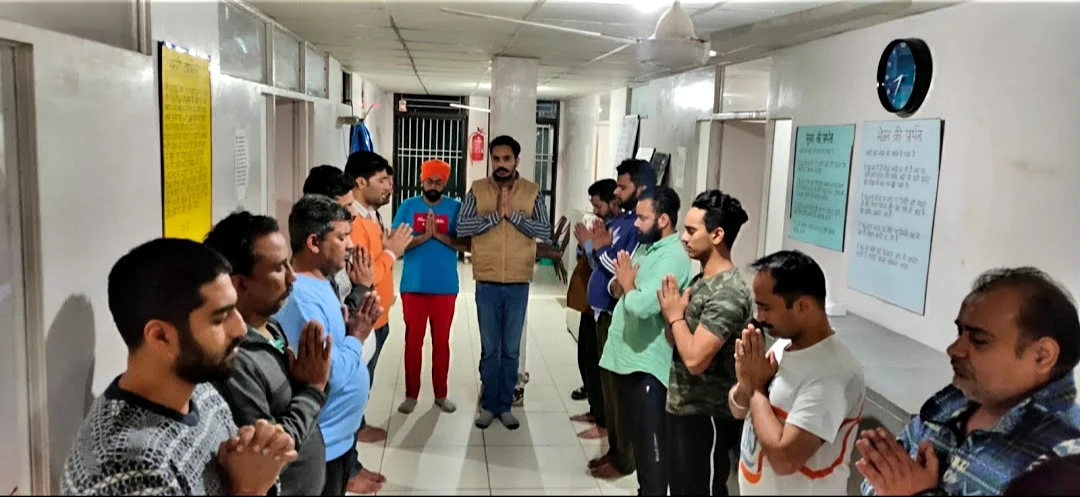
Drug Addiction Treatment
Drug Addiction Treatment at Veer Foundation – Best Nasha Mukti Kendra in Mohali, Punjab
Drug addiction is a serious health condition that can affect physical health, mental well-being, family relationships, career, and everyday life. Dependence on drugs can gradually take control of a person's thoughts, behaviour, emotions, and daily activities.
At Veer Foundation – Nasha Mukti Kendra & Rehabilitation Centre in Punjab, we aim to help individuals struggling with drug addiction through personalised rehabilitation support, counselling, group therapy, healthy lifestyle activities, and long-term recovery guidance.
Our goal is to help individuals overcome substance dependence, understand the causes of addiction, develop positive habits, rebuild family relationships, and move towards a healthier and drug-free life.
Whether someone is struggling with heroin, opioids, prescription medicine misuse, synthetic drugs, or other addictive substances, seeking appropriate professional help is an important first step towards recovery.
What Is Drug Addiction?
Drug addiction, also known as Substance Use Disorder (SUD), is a condition in which a person finds it difficult to control or stop using a particular substance despite its harmful effects.
Repeated drug use can change how the brain responds to pleasure, motivation, stress, and decision-making. Over time, individuals may develop cravings, tolerance, withdrawal symptoms, and physical or psychological dependence.
Drug addiction is treatable. With appropriate medical care, evidence-based treatment, counselling, rehabilitation, and continued support, individuals can work towards long-term recovery.
Types of Drug Addiction We Address
Different substances affect the body and brain in different ways. Treatment depends on the substance, duration of use, medical condition, and individual recovery requirements.
1. Heroin Addiction (Chitta)
Heroin, commonly known as Chitta in Punjab, is a highly addictive opioid drug that can cause severe physical and psychological dependence. Regular use can lead to intense cravings, withdrawal symptoms, health complications, and difficulties in personal and family life.
Common signs include:
-
Strong cravings and repeated drug use.
-
Muscle pain, sweating, and restlessness.
-
Anxiety, sleep disturbances, and irritability.
-
Neglecting family and professional responsibilities.
-
Difficulty stopping heroin consumption.
Treatment approach: Medical assessment, supervised withdrawal management, evidence-based opioid treatment where appropriate, individual counselling, group therapy, and relapse prevention.
2. Opioid Addiction
Opioids are substances that affect the brain's pain and reward systems. Dependence may develop through repeated use of heroin, morphine, codeine, tramadol, and certain prescription pain medicines.
Common challenges:
-
Physical and psychological dependence.
-
Strong cravings and withdrawal symptoms.
-
Changes in behaviour and sleeping patterns.
-
Difficulty controlling substance consumption.
Treatment approach: Medical assessment, appropriate medication-based treatment, counselling, behavioural therapy, and long-term recovery planning.
3. Cannabis Addiction (Marijuana / Charas / Ganja)
Cannabis products include marijuana, charas, and ganja. Frequent use can affect memory, concentration, motivation, emotional health, and everyday functioning.
Common signs include:
-
Difficulty reducing cannabis consumption.
-
Memory and concentration problems.
-
Anxiety and mood changes.
-
Sleep disturbances and irritability.
-
Reduced interest in daily activities.
Treatment approach: Counselling, behavioural support, healthy lifestyle development, stress management, and relapse prevention.
4. Synthetic Drug Addiction
Synthetic drugs are artificially manufactured substances that can have unpredictable effects on the brain and body. Examples include methamphetamine and other synthetic stimulants or novel psychoactive substances.
Possible effects include:
-
Increased heart rate and blood pressure.
-
Anxiety, agitation, and restlessness.
-
Sleep disturbances.
-
Paranoia and unusual thoughts.
-
Psychological dependence.
Treatment approach: Medical assessment, appropriate withdrawal support, mental health evaluation, counselling, and continued rehabilitation.
5. Cocaine Addiction
Cocaine is a powerful stimulant that affects the central nervous system. Repeated use can lead to psychological dependence, cravings, cardiovascular complications, and emotional difficulties.
Common signs include:
-
Increased energy and restlessness.
-
Strong cravings for cocaine.
-
Anxiety and irritability.
-
Sleep and appetite disturbances.
-
Difficulty controlling drug use.
Treatment approach: Medical and mental health assessment, behavioural therapy, counselling, emotional support, and relapse prevention.
6. Methamphetamine Addiction
Methamphetamine is a highly addictive stimulant that can affect brain functioning, sleep, behaviour, and emotional stability.
Possible effects include:
-
Excessive restlessness and agitation.
-
Sleep disturbances.
-
Anxiety and paranoia.
-
Reduced appetite.
-
Strong psychological cravings.
Treatment approach: Medical assessment, mental health support, behavioural counselling, structured rehabilitation, and recovery planning.
7. Prescription Medicine Addiction
Some prescription medicines can cause dependence when misused or taken without appropriate medical guidance. These may include certain sleeping tablets, anti-anxiety medicines, opioid painkillers, and other controlled medications.
Common signs include:
-
Taking medicines more frequently than prescribed.
-
Difficulty stopping medication use.
-
Increased tolerance and dependence.
-
Changes in sleep and behaviour.
-
Withdrawal symptoms after reducing or stopping use.
Treatment approach: Professional medical evaluation, supervised medication management, gradual withdrawal where required, and psychological support.
8. Sleeping Pills & Sedative Addiction
Certain sleeping pills and sedative medicines can cause physical dependence, especially with prolonged use or misuse.
Examples include benzodiazepines and certain prescription sleeping medicines.
Possible effects include:
-
Excessive sleepiness.
-
Memory and concentration problems.
-
Physical dependence.
-
Anxiety and restlessness.
-
Withdrawal complications.
Treatment approach: Medically supervised withdrawal, gradual dose reduction where appropriate, counselling, and continued recovery support. These medicines should never be stopped suddenly without medical advice.
9. Pharmaceutical Drug & Cough Syrup Misuse
Misuse of certain prescription cough syrups and pharmaceutical preparations can result in substance dependence and health complications.
Possible signs include:
-
Repeated use without medical necessity.
-
Difficulty controlling consumption.
-
Sleepiness and changes in behaviour.
-
Withdrawal symptoms.
-
Neglect of daily responsibilities.
Treatment approach: Medical evaluation, appropriate medication management, addiction counselling, and rehabilitation support.
10. Inhalant Addiction
Inhalants are chemical substances whose fumes may be inhaled to produce intoxicating effects. Examples include certain solvents, glue, paint thinners, and aerosol products.
Possible effects include:
-
Dizziness and confusion.
-
Memory and concentration problems.
-
Behavioural changes.
-
Damage to the brain and other organs.
-
Serious heart and breathing complications.
Treatment approach: Medical evaluation, health monitoring, psychological support, counselling, and rehabilitation planning.
Our Drug Addiction Treatment & Rehabilitation Services
At Veer Foundation, our rehabilitation approach focuses on individual recovery requirements, emotional well-being, positive behavioural changes, and continued support.
1. Initial Assessment & Recovery Planning
Understanding the individual's drug history, health condition, substance use patterns, and personal recovery goals.
2. Detoxification & Withdrawal Management
Helping individuals access appropriate medical assessment and supervised withdrawal treatment where required.
3. Individual Therapy
-
One-to-one counselling.
-
Personal sharing sessions.
-
Autobiography writing.
-
Emotional support.
-
Personal recovery planning.
4. Group Therapy
-
Daily group discussions.
-
Thoughts and feelings sessions.
-
Step-sharing sessions.
-
Educational workshops.
-
Addiction awareness sessions.
-
Stress management activities.
5. Meditation & Mental Wellness
-
Meditation sessions.
-
Relaxation exercises.
-
Positive thinking activities.
-
Emotional wellness support.
-
Healthy daily routines.
6. Recreational Activities
-
Cricket.
-
Football.
-
Volleyball.
-
Chess.
-
Carrom.
-
Table tennis.
7. Family Counselling & Support
Encouraging family participation, improving communication, and helping families understand addiction and recovery.
8. Relapse Prevention
Helping individuals identify triggers, develop healthy coping strategies, and prepare for long-term recovery.
9. Free Lifetime Aftercare
Continued recovery guidance and follow-up support after completing the rehabilitation programme.
How Drug Addiction Affects Your Life
Drug addiction can gradually affect almost every part of an individual's life.
Physical Health
-
Weakness and reduced physical fitness.
-
Sleep and appetite problems.
-
Heart, liver, and other organ complications.
-
Increased risk of infections.
-
Overdose and other serious medical emergencies.
Mental Health
-
Anxiety and depression.
-
Memory and concentration difficulties.
-
Emotional instability.
-
Behavioural changes.
-
Increased stress and psychological dependence.
Family & Social Life
-
Family conflicts.
-
Loss of trust.
-
Financial difficulties.
-
Social isolation.
-
Problems at work or educational institutions.
Seeking appropriate treatment early can help reduce these risks and support recovery.
Why Choose Veer Foundation Nasha Mukti Kendra in Punjab?
Veer Foundation believes that addiction recovery requires understanding, patience, personal attention, and continued support.
Our focus is to encourage individuals to develop healthier habits and rebuild their lives through rehabilitation and recovery guidance.
Our Key Recovery Features:
-
Personalised addiction recovery guidance.
-
Individual and group counselling.
-
Supportive rehabilitation environment.
-
Meditation and stress management.
-
Recreational and physical activities.
-
Family support and counselling.
-
Relapse prevention guidance.
-
Free lifetime aftercare support.
Frequently Asked Questions About Drug Addiction Treatment
1. What is the best treatment for drug addiction?
Treatment depends on the substance, level of dependence, medical history, and individual needs. A combination of appropriate medical treatment, counselling, behavioural therapy, and long-term recovery support can be effective.
2. Can heroin or Chitta addiction be treated?
Yes. Heroin addiction is treatable through evidence-based opioid treatment, medical supervision, counselling, and continued recovery support.
3. How long does drug addiction treatment take?
Treatment duration varies depending on the substance used, health condition, addiction history, and recovery progress. Every individual requires an appropriate treatment plan.
4. Is detoxification necessary for drug addiction?
Some individuals require medically supervised detoxification or withdrawal management. However, detoxification alone does not treat addiction. Continued rehabilitation and appropriate treatment are important.
5. Can a person recover from long-term drug addiction?
Yes. Recovery is possible even after long-term substance dependence. Medical treatment, counselling, family support, and continued recovery planning can help individuals work towards a healthier life.
6. Does Veer Foundation provide counselling?
Veer Foundation's rehabilitation programme includes individual counselling, group sessions, emotional support, educational workshops, and recovery guidance.
7. Does Veer Foundation provide lifetime aftercare?
Yes. Veer Foundation offers free lifetime aftercare support to help individuals remain connected with recovery guidance after completing its rehabilitation programme.
8. Can family members help someone overcome drug addiction?
Yes. Family encouragement, understanding, and participation in counselling can play an important role in supporting recovery.
Our Mission – Towards a Drug-Free Punjab
Drug addiction is not only an individual problem; it affects families, communities, and society. Punjab needs greater awareness, timely treatment, compassionate support, and continued rehabilitation services.
Veer Foundation aims to encourage individuals to seek professional help, understand the harmful effects of substance abuse, and take positive steps towards recovery.
We believe every person deserves dignity, care, respect, and an opportunity to rebuild their future.
Your Past Does Not Define Your Future. Recovery Starts With One Step!
Start Your Drug-Free Journey with Veer Foundation
If you or someone in your family is struggling with heroin addiction, Chitta, opioid dependence, cannabis, synthetic drugs, prescription medicine misuse, or other forms of substance addiction, seek professional help.
Connect with Veer Foundation to understand rehabilitation options, counselling, treatment planning, and aftercare support.
VEER FOUNDATION – Best Nasha Mukti Kendra & Rehabilitation Centre in Punjab.
Break Free from Drugs. Rebuild Your Life. Welcome a New Beginning!


