


Alcohol Addiction Treatment
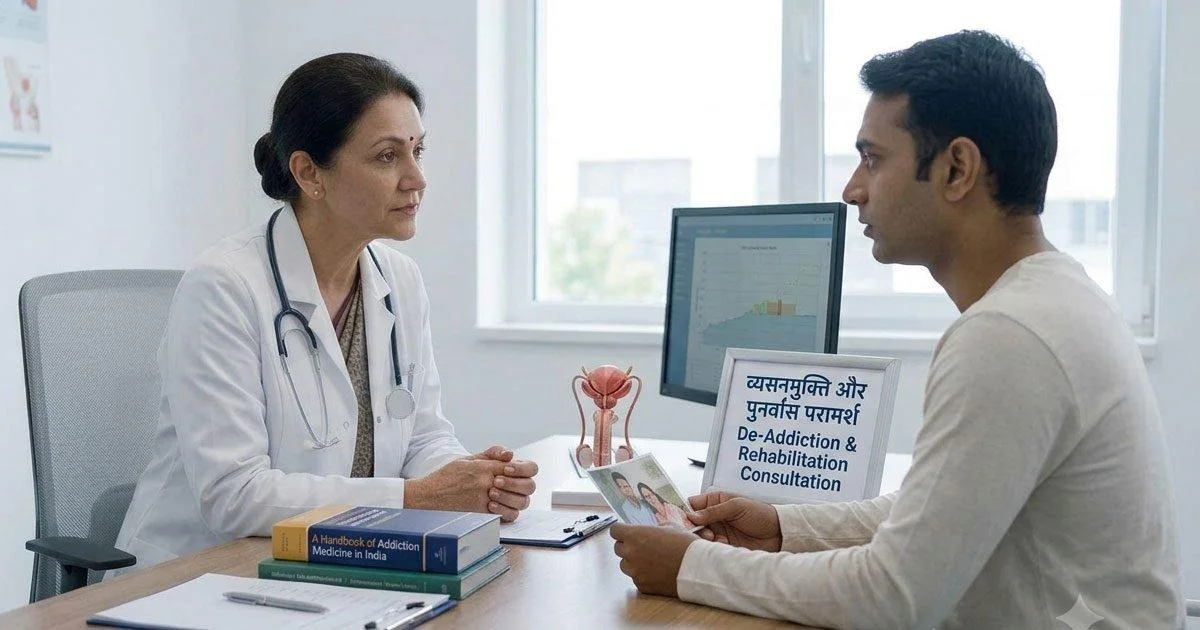
Alcohol Addiction Treatment
Alcohol Addiction Treatment at Veer Foundation – Nasha Mukti Kendra in Punjab
Alcohol addiction is a serious condition that can affect a person's physical health, mental well-being, family relationships, career, and everyday life. Overcoming alcohol dependency requires proper guidance, professional support, counselling, and a structured recovery programme.
Veer Foundation – Nasha Mukti Kendra & Rehabilitation Centre in Punjab aims to support individuals struggling with alcohol addiction and help them move towards a healthier, happier, and alcohol-free lifestyle.
Our rehabilitation approach focuses on understanding individual needs, encouraging positive behavioural changes, providing emotional support, and developing healthy habits for long-term recovery.
Whether someone is experiencing long-term alcohol dependency or finding it difficult to control drinking habits, seeking professional help can be the first step towards a fresh beginning.
What Is Alcohol Addiction?
Alcohol addiction, also known as Alcohol Use Disorder (AUD), is a condition in which a person finds it difficult to control alcohol consumption despite its negative effects on health, family, and personal life.
Regular and excessive alcohol consumption can lead to physical dependence, emotional difficulties, sleep problems, and other health complications.
Common Signs of Alcohol Addiction:
-
🍷 Frequent or excessive alcohol consumption.
-
🔄 Difficulty controlling drinking habits.
-
🧠 Strong cravings and emotional dependence.
-
😟 Anxiety, irritability, and mood changes.
-
🌙 Sleep disturbances and restlessness.
-
👨👩👧 Family conflicts and relationship problems.
-
💼 Neglecting work and personal responsibilities.
-
⚠️ Continuing alcohol use despite health problems.
Recognising these signs early and seeking appropriate treatment can make a meaningful difference in the recovery journey.
Alcohol Addiction Treatment & Rehabilitation Programme
At Veer Foundation, our recovery approach focuses on counselling, emotional support, healthy lifestyle development, and continued rehabilitation guidance.
1. Initial Health Assessment
Every recovery journey begins with understanding the individual's drinking habits, medical history, physical health, and personal challenges.
A proper assessment helps identify the level of alcohol dependency and determine whether medically supervised withdrawal management is required.
2. Alcohol Detoxification & Withdrawal Management
Detoxification is often an important initial stage for individuals with physical alcohol dependence. When someone stops drinking after prolonged or heavy alcohol consumption, withdrawal symptoms may occur.
Common withdrawal symptoms include:
-
Sweating and shaking.
-
Anxiety and restlessness.
-
Nausea and vomiting.
-
Headaches and sleep disturbances.
-
Irritability and mood changes.
-
Strong cravings for alcohol.
Severe alcohol withdrawal can cause seizures, hallucinations, and delirium. It can be life-threatening, so individuals should not attempt sudden, unsupervised detoxification. Medical assessment and appropriate supervision are essential.
3. Individual Counselling & Personal Therapy
Individual counselling plays an important role in understanding the emotional and behavioural factors associated with alcohol addiction.
Personal counselling sessions encourage individuals to discuss their experiences, challenges, drinking triggers, and recovery goals in a supportive environment.
Our counselling activities include:
-
One-to-One Counselling.
-
Personal Sharing Sessions.
-
Autobiography Writing.
-
Emotional Support Sessions.
-
Positive Thinking Development.
-
Personal Recovery Planning.
4. Group Therapy & Emotional Support
Group therapy provides an opportunity to share experiences, understand different recovery challenges, and develop positive relationships with others.
Supportive group sessions can help individuals improve communication, develop confidence, and remain motivated throughout rehabilitation.
Group Therapy Activities:
-
Daily Group Discussions.
-
Thoughts and Feelings Sessions.
-
Recovery Experience Sharing.
-
Addiction Awareness Workshops.
-
Stress Management Activities.
-
Positive Lifestyle Education.
-
Emotional Support Sessions.
5. Yoga, Meditation & Stress Management
A healthy lifestyle is an important part of alcohol addiction recovery. Yoga, meditation, relaxation, and physical activities can support emotional balance and overall well-being.
These activities encourage individuals to manage everyday stress, improve concentration, and develop healthier habits.
Our Lifestyle Activities Include:
-
🧘 Meditation and relaxation.
-
🌿 Mindfulness activities.
-
💪 Physical fitness.
-
🌞 Healthy daily routines.
-
🏏 Recreational sports.
-
❤️ Positive thinking and self-confidence.
6. Family Counselling & Relationship Support
Alcohol addiction can affect the entire family, not just the individual. Family members may experience emotional stress, communication difficulties, and relationship challenges.
Family counselling helps loved ones understand addiction, improve communication, and create a supportive environment for recovery.
Our approach encourages positive family involvement throughout the rehabilitation journey.
7. Relapse Prevention & Long-Term Recovery
Recovery does not end after completing the initial treatment programme. Individuals may continue to face cravings, stress, social pressure, and situations that trigger alcohol consumption.
Relapse prevention focuses on identifying these challenges and developing healthy ways to manage them.
Our Recovery Support Includes:
-
Identifying alcohol-related triggers.
-
Developing healthy coping strategies.
-
Personalised recovery planning.
-
Regular follow-up guidance.
-
Positive lifestyle development.
-
Continued counselling support.
8. Free Lifetime Aftercare Support
At Veer Foundation, we understand that maintaining recovery after rehabilitation is equally important.
Our free lifetime aftercare support aims to keep individuals connected with recovery guidance even after they return home.
Aftercare support includes:
-
Regular follow-up communication.
-
Personalised recovery guidance.
-
Relapse prevention support.
-
Healthy lifestyle planning.
-
Continued emotional encouragement.
-
Family support and guidance.
You Are Never Alone in Your Recovery Journey!
Benefits of Professional Alcohol Addiction Treatment
Professional treatment and continued recovery support can help individuals:
-
Understand alcohol dependency and its effects.
-
Manage withdrawal symptoms with appropriate medical care.
-
Improve physical and emotional well-being.
-
Develop healthier coping mechanisms.
-
Rebuild family and social relationships.
-
Improve confidence and self-esteem.
-
Reduce the risk of returning to harmful drinking habits.
-
Build a healthier and more independent lifestyle.
Why Choose Veer Foundation for Alcohol Addiction Treatment in Punjab?
Veer Foundation focuses on providing supportive rehabilitation services for individuals and families affected by alcohol addiction.
-
💚 Personalised Alcohol Addiction Recovery Guidance.
-
🩺 Health Assessment & Medical Guidance.
-
🤝 Individual Counselling Sessions.
-
👥 Group Therapy & Emotional Support.
-
🧠 Mental Wellness & Positive Thinking.
-
🧘 Yoga, Meditation & Stress Management.
-
🛡️ Relapse Prevention Guidance.
-
👨👩👧 Family Counselling Support.
-
♾️ Free Lifetime Aftercare Support.
Frequently Asked Questions – Alcohol Addiction Treatment
1. Can alcohol addiction be treated?
Yes. Alcohol addiction is a treatable condition. With appropriate medical care, counselling, behavioural therapy, and continued recovery support, individuals can work towards long-term recovery.
2. What are the common symptoms of alcohol withdrawal?
Common symptoms include sweating, shaking, anxiety, headaches, nausea, irritability, and sleep disturbances. Severe withdrawal can cause seizures and hallucinations and requires emergency medical attention.
3. How long does alcohol addiction treatment take?
Treatment duration depends on drinking habits, physical health, dependency level, and individual recovery needs. A qualified professional can recommend an appropriate treatment plan.
4. Is alcohol detoxification necessary before rehabilitation?
Some individuals with physical alcohol dependence require medically supervised detoxification before continuing with rehabilitation. The need depends on individual medical assessment.
5. Does counselling help with alcohol addiction?
Yes. Individual and group counselling can help individuals understand drinking triggers, manage emotional challenges, develop healthy habits, and maintain motivation.
6. Can alcohol addiction affect family relationships?
Yes. Alcohol dependency can create family conflicts, communication problems, financial difficulties, and emotional stress. Family counselling can help improve understanding and relationships.
7. What happens after completing alcohol rehabilitation?
After rehabilitation, individuals can continue with follow-up counselling, relapse prevention planning, healthy lifestyle activities, and aftercare support.
8. Does Veer Foundation provide lifetime aftercare support?
Yes. Veer Foundation offers free lifetime aftercare support to help individuals remain connected with recovery guidance after completing its rehabilitation programme.
9. Can someone recover from long-term alcohol addiction?
Yes. Recovery is possible even after long-term alcohol dependency. Appropriate treatment, continued support, and commitment to recovery can help individuals build a healthier future.
10. How can I get help for alcohol addiction in Punjab?
You can contact Veer Foundation to discuss rehabilitation options, counselling, treatment requirements, and admission-related information.
Start Your Journey Towards an Alcohol-Free Life!
💚 Leave Alcohol Behind. Rebuild Your Life. Discover a Better Tomorrow with Veer Foundation.


